

These budget-friendly family dinners under $3 per serving are cheap dinner ideas for families built around affordable pantry staples,stretchable proteins, and simple cooking methods that make weeknight dinners easier.
Looking for cheap dinner ideas for families that actually work in real life? 👇👇
Grocery prices have climbed fast over the past few years, and most families feel it every single week at checkout. If you're searching for ways to lower your grocery bill without sacrificing filling, family-friendly dinners, you're in the right place.
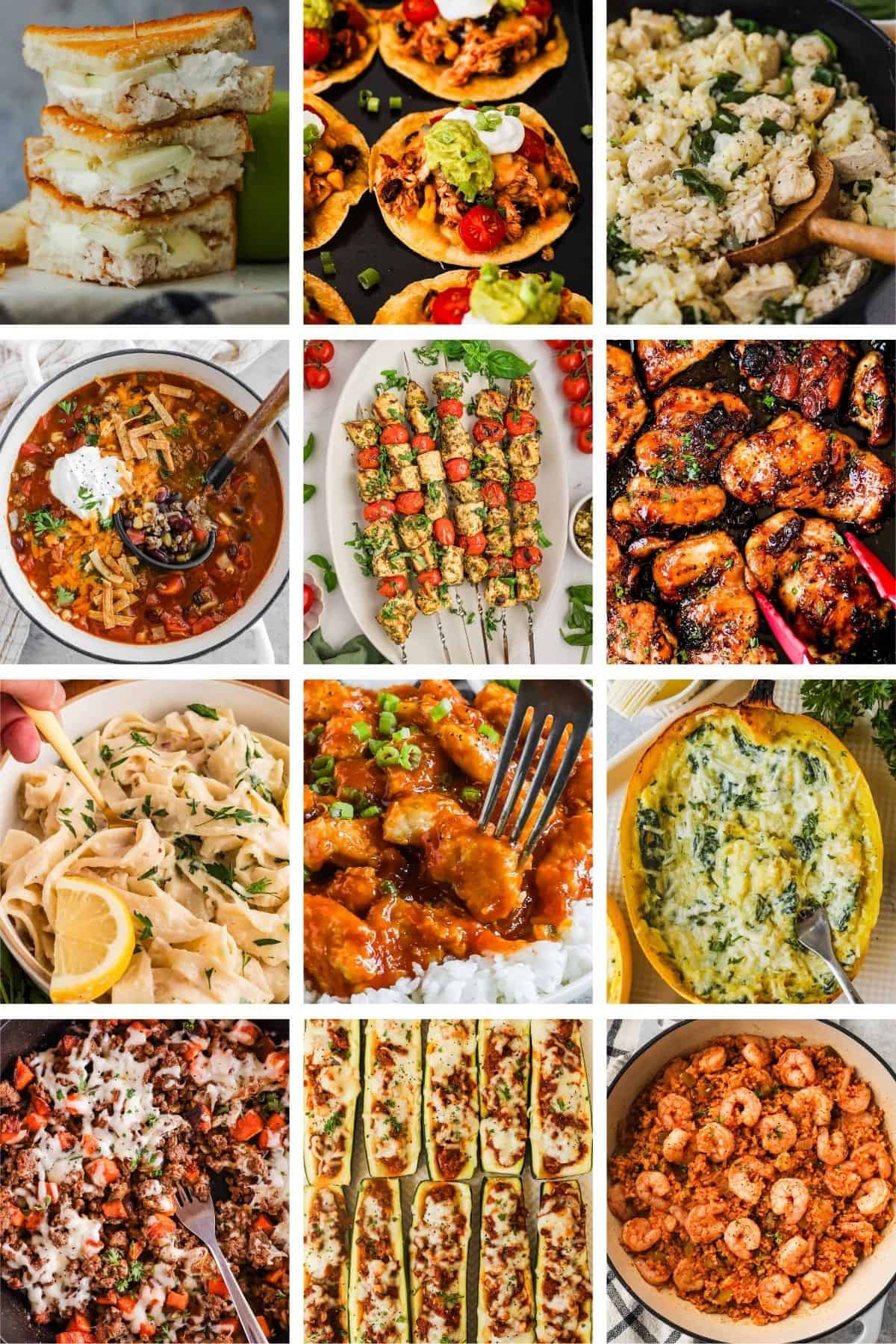
When my daughter was born, I stayed home with her for four years while my husband worked full-time as an artist. Money was tight. I learned quickly how to stretch one pound of ground beef, how to turn one rotisserie chicken into multiple meals, and how to rely on pantry staples instead of extra grocery runs.
Now as a food blogger, I work with ingredients every day and track recipe costs constantly. Even though our situation has changed, I still use the exact same grocery strategies, plus a few smarter systems I've learned along the way.
In this post, I'm sharing practical, budget-friendly dinner ideas under $3 per serving, along with simple grocery-saving tips you can use immediately.
You can also browse my full collection of easy weeknight dinners, one pot meals, and chicken recipes if you're building a longer-term meal plan.
3 Core Grocery Principles I Use to Keep Dinners Under $3 Per Serving 👇👇
Over the years, whether we were on a tight single-income budget or I was testing recipes full time as a food blogger, these are the three grocery principles I come back to again and again. They're simple, realistic, and they work.
Build Meals Around Stretchable Staples
Rice, pasta, potatoes, beans, oats, canned tomatoes, and frozen vegetables are the backbone of affordable dinners. Instead of building a meal around expensive protein first, I start with one of these low-cost staples and layer flavor and protein into it.
This is how one pound of ground beef turns into a full skillet dinner for four. It's also how soups, casseroles, and one-pot meals stay filling without pushing cost per serving too high.
Choose Proteins That Multiply
Not all proteins stretch the same. Ground beef, chicken thighs, whole chickens, rotisserie chicken, and dry beans give you far more servings per dollar than individually portioned cuts.
When I buy one rotisserie chicken, I already have two meals in mind. When I cook a large batch of slow cooker chicken or taco meat, I'm planning leftovers on purpose.
Multiplying one purchase into multiple meals is one of the fastest ways to lower your weekly grocery bill.
Plan for Leftovers Before You Cook
Leftovers aren't accidental in my kitchen - they're strategic.
If a recipe makes six servings and we need four, that's tomorrow's lunch or a freezer meal for a busy night. Planning this way prevents food waste and prevents last-minute takeout, which is often where the real grocery budget slips.
Even one avoided takeout order per week makes a noticeable difference over time.
Over the years, I've tested hundreds of family dinners in my own kitchen and for this website. The recipes below are the ones that consistently keep cost per serving low while still being filling, practical, and repeat-worthy.
If you're trying to keep dinner under $3 per serving, ground beef is one of the smartest places to start...
👉 Browse my full collection of easy ground beef dinners for busy families.
🔥 Cheap Ground Beef Dinners That Stretch One Pound 👇👇
Ground beef is one of the most reliable budget proteins because it stretches easily with rice, pasta, beans, and vegetables. When you build meals around one pound of beef and pair it with affordable pantry staples, it's very realistic to keep dinner under $3 per serving while still feeding four to six people comfortably.
These ground beef dinners are built for weeknights - simple ingredients, predictable cost, and recipes that reheat well for leftovers or meal prep.
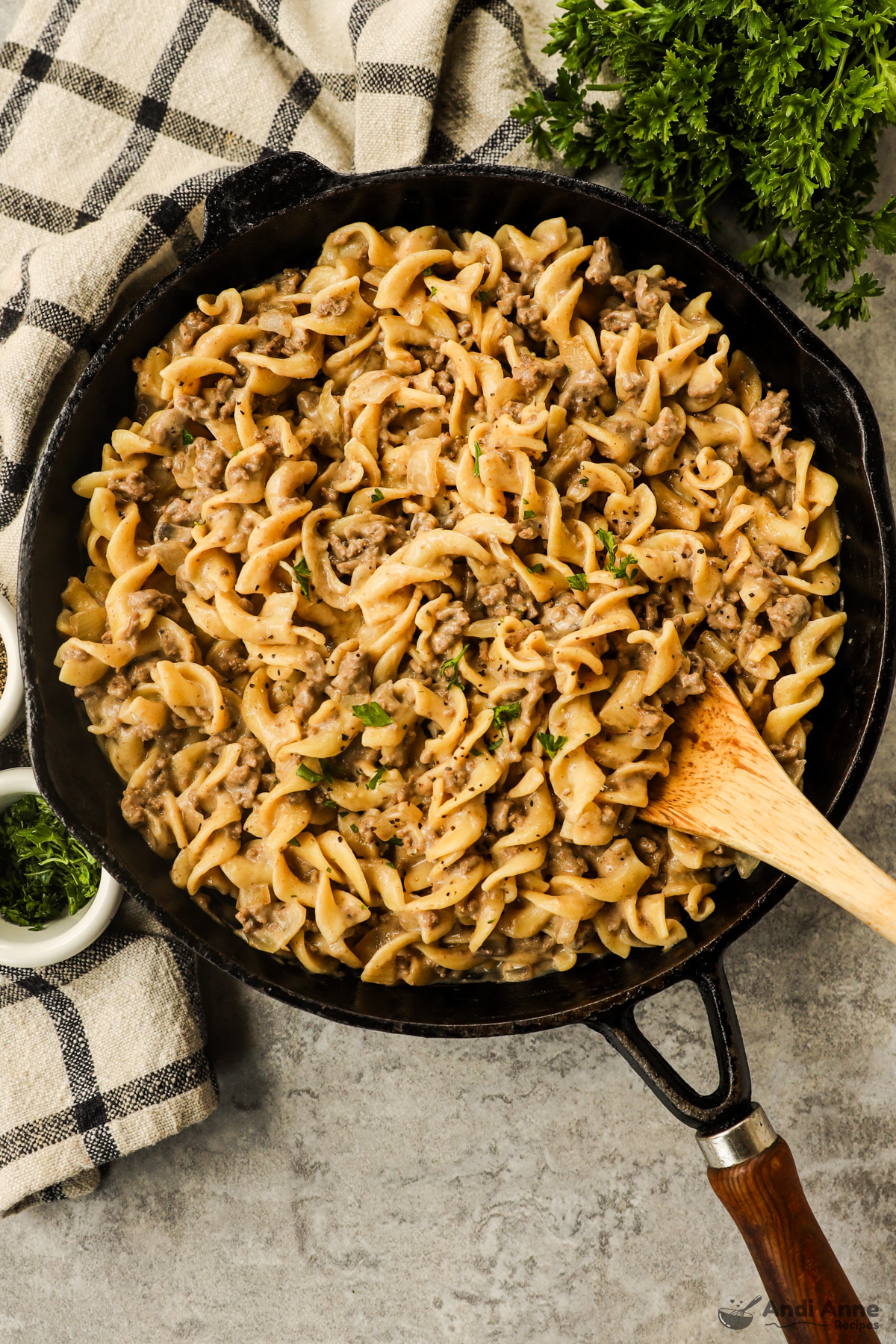
- Ground Beef Stroganoff25 MinutesApprox. $2.40 per serving
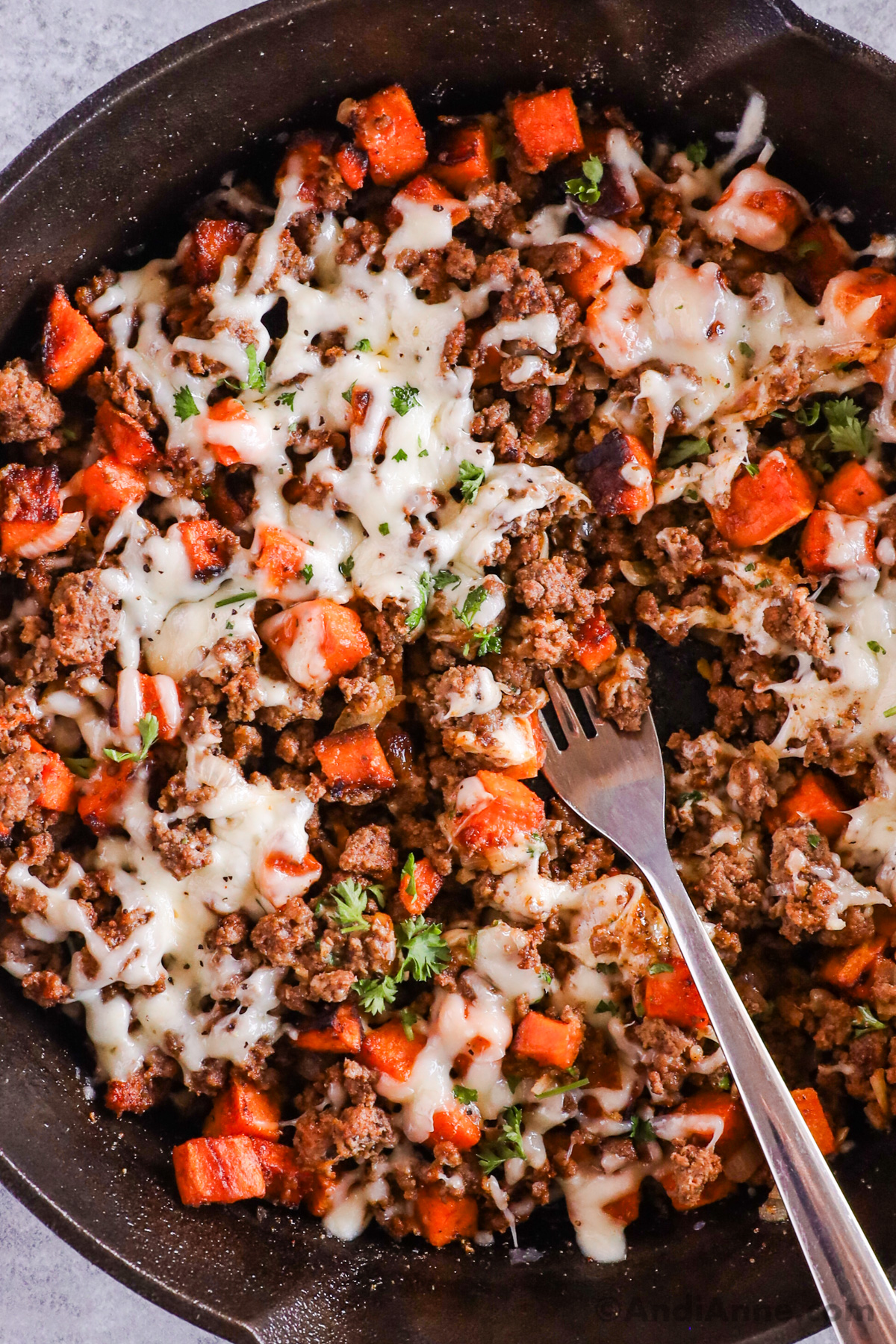
- Ground Beef Sweet Potato Skillet30 MinutesApprox. $2.10 per serving
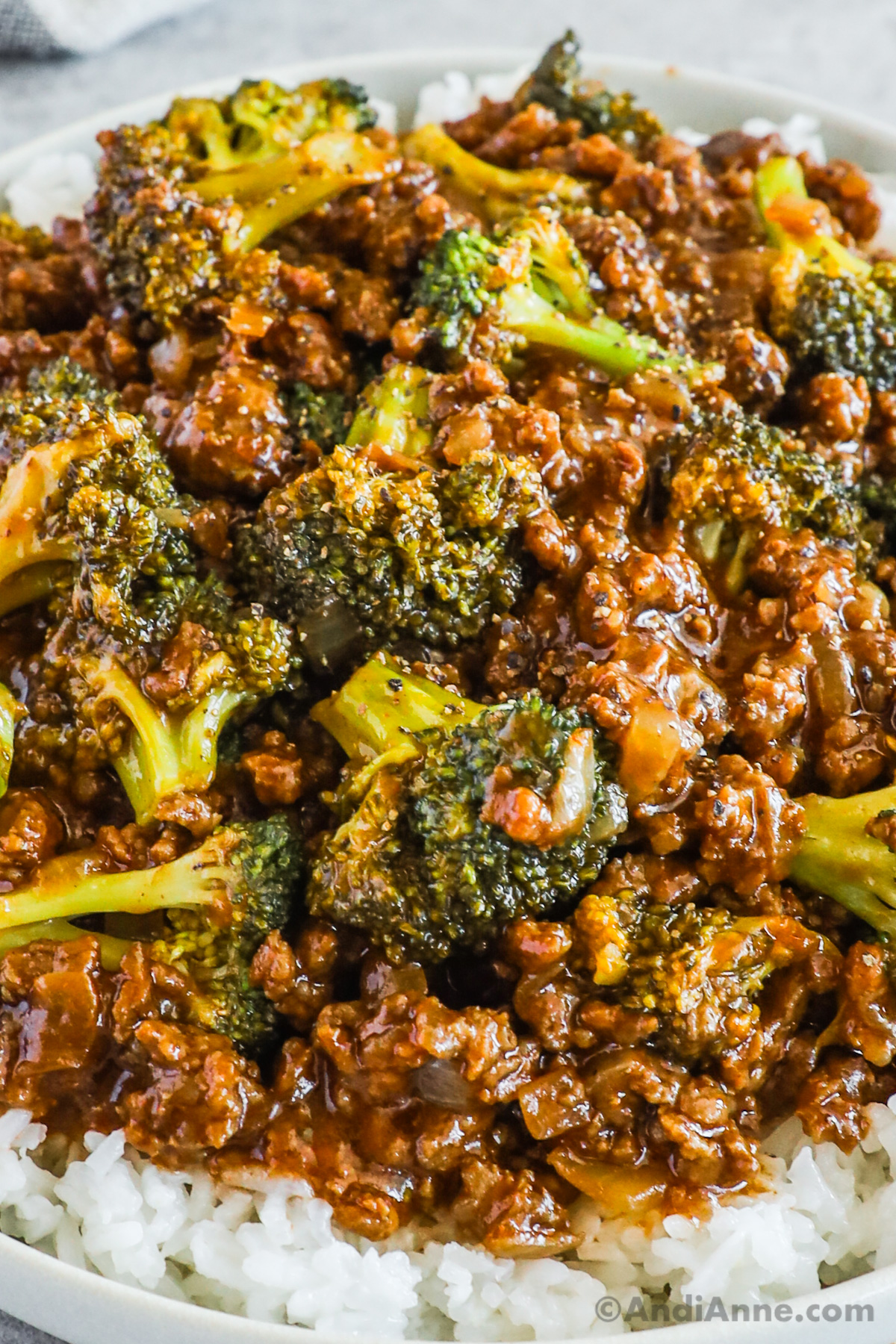
- Honey Garlic Ground Beef and Broccoli28 MinutesApprox. $2.50 per serving
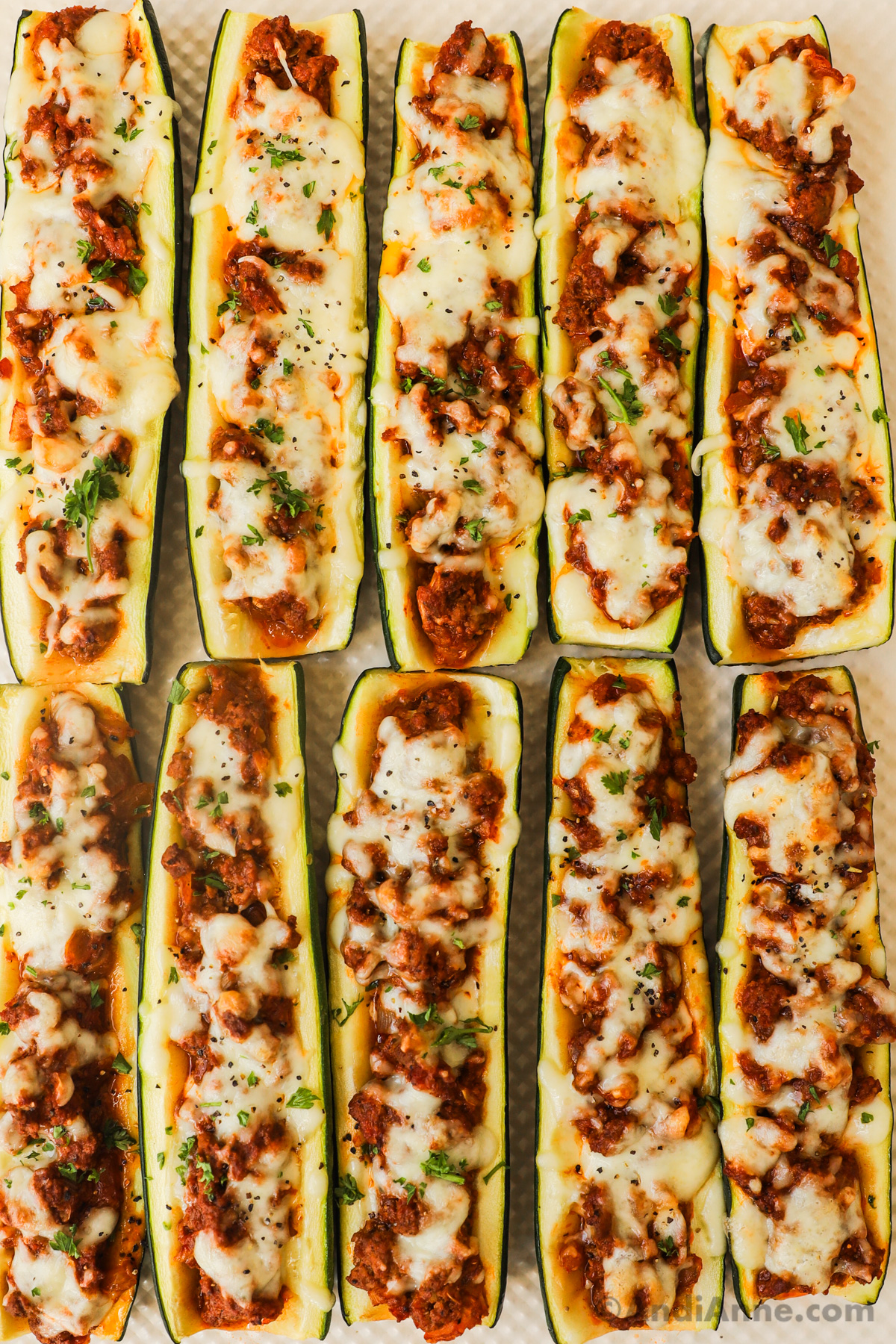
- Ground Beef Stuffed Zucchini Boats40 MinutesApprox. $2.30 per serving
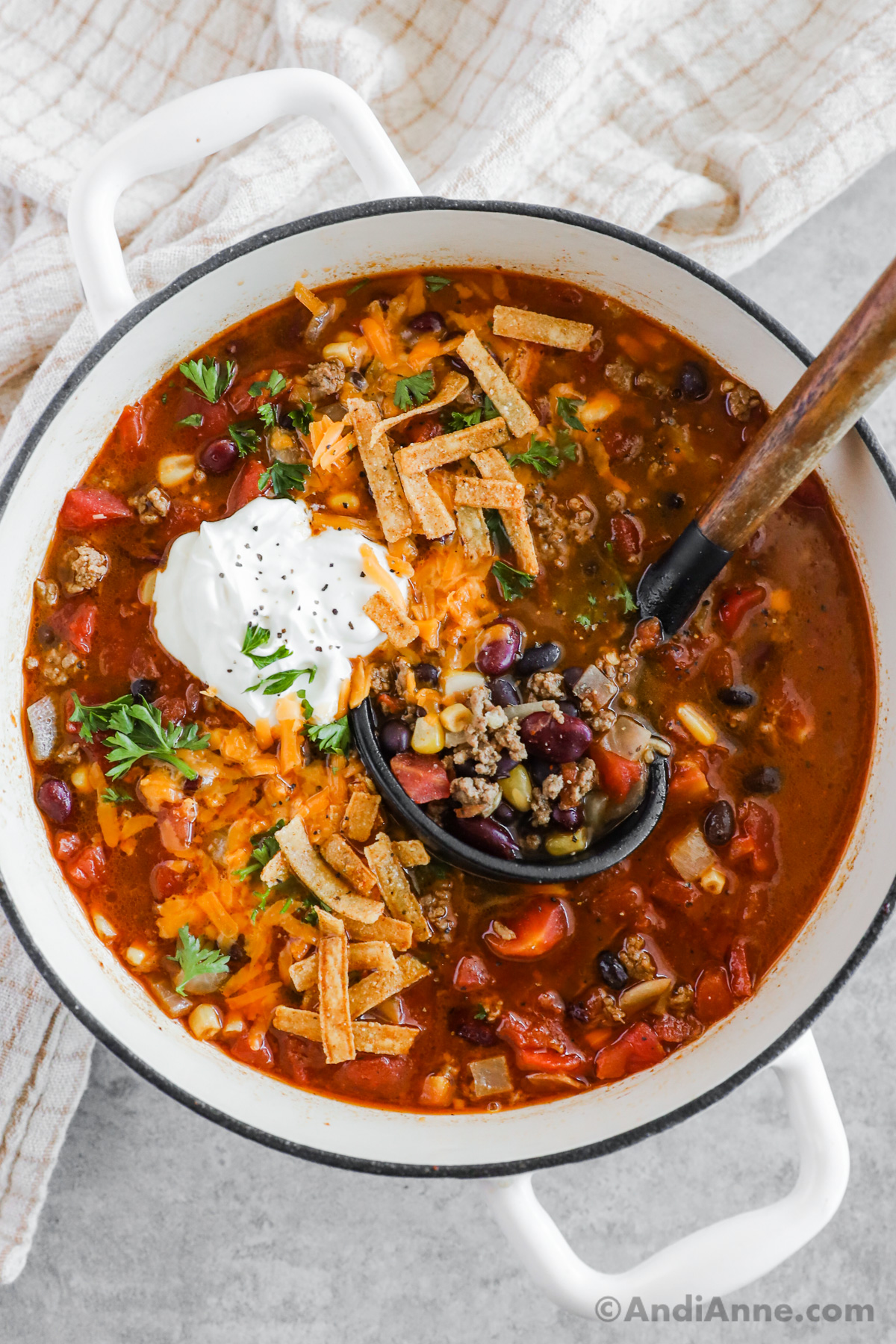
- Ground Beef Taco Soup30 MinutesApprox. $2.05 per serving
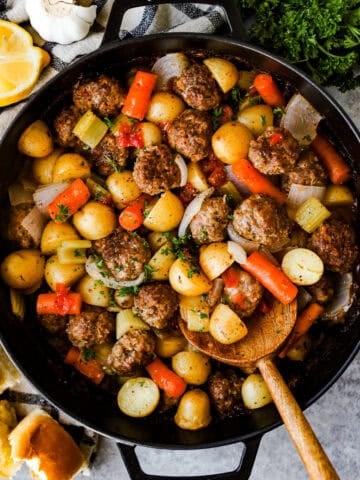
- Classic Meatball Casserole (1950s-Style Family Dinner)Approx. $2.60 per serving
How to Stretch One Pound of Ground Beef Even Further
Ground beef is already budget-friendly, but a few simple adjustments can lower your cost per serving even more without anyone noticing.
- Add inexpensive fillers on purpose. Finely chopped mushrooms, grated zucchini, cooked lentils, or even extra onions blend right into taco meat or casseroles and stretch one pound into more servings.
- Pair it with grains. Serving ground beef over rice, pasta, or inside baked potatoes naturally lowers cost per plate while still keeping dinner filling and balanced.
- Choose higher fat percentages. 80/20 ground beef is often cheaper per pound and works beautifully in skillet dinners and soups where excess fat can be drained.
- Cook once, use twice. Make a larger batch of seasoned ground beef and divide it between tacos one night and a skillet or soup the next. Planning this way protects your grocery budget and reduces food waste.
Small shifts like these are what keep dinner under $3 per serving week after week.
🍗 Cheap Chicken Dinner Ideas
Chicken remains one of the most affordable and flexible proteins for family dinners. Bone-in cuts, chicken thighs, ground chicken, and rotisserie chicken all offer strong value per pound and work beautifully in one-pan meals, casseroles, and rice-based dinners.
These chicken recipes are practical, family-friendly, and built around pantry ingredients so your grocery spending stays steady week after week.
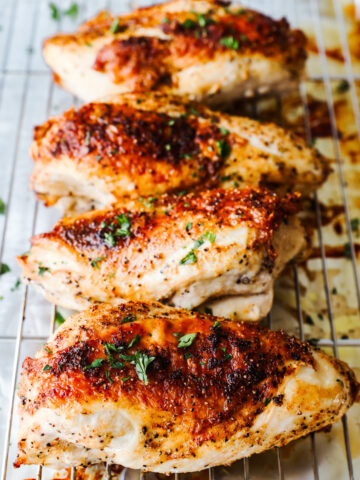
- Roasted Bone-In Chicken Breasts55 MinutesApprox. $2.25 per serving
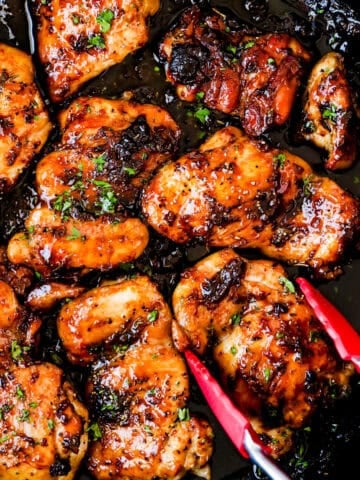
- Honey Garlic Boneless Chicken Thighs40 MinutesApprox. $2.35 per serving
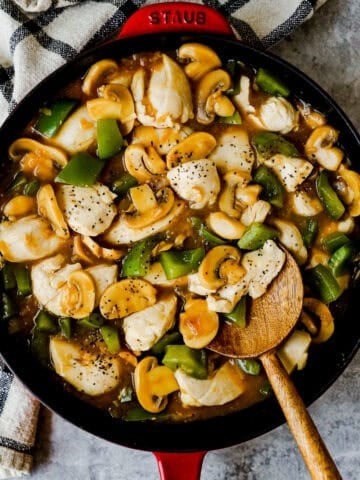
- Onion Soup Gravy Chicken Skillet30 MinutesApprox. $2.40 per serving
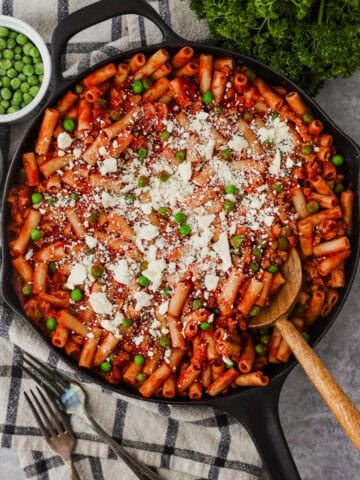
- Ground Chicken Pasta Skillet with Peas20 MinutesApprox. $2.15 per serving
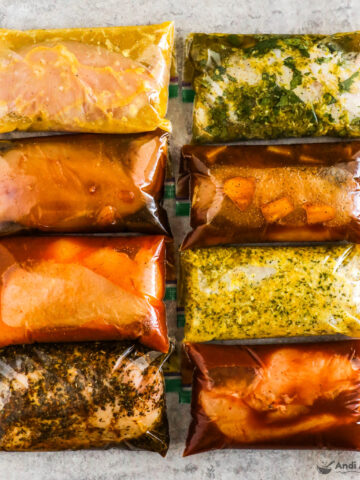
- 6 Easy Chicken Marinade Flavors40 MinutesApprox. $0.98 per serving
- Chicken and Rice Soup35 Minutes
- Greek Orzo Chicken Casserole1 Hours 20 MinutesApprox. $2.50 per serving
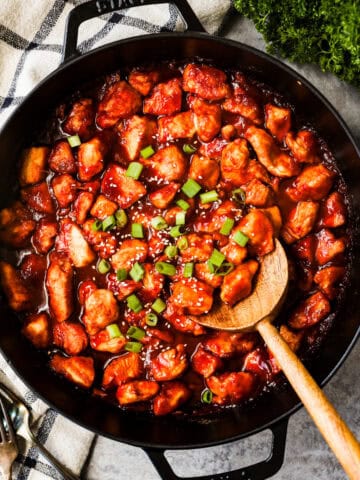
- Baked Sweet and Sour Chicken52 MinutesApprox. $2.45 per serving


How to Buy Chicken for Maximum Value (Without Sacrificing Flavor)
Chicken can absolutely stay under $3 per serving - but the cut you choose makes a big difference. These are the options I rely on when I want the best balance of price, flavor, and flexibility.
- Buy whole chickens when you can. A whole chicken is often the lowest cost per pound. Roasting it yourself gives you multiple meals - serve sliced the first night, shred leftovers for tacos or soup, and use the bones for homemade broth.
- Choose bone-in cuts over boneless. Bone-in chicken thighs and drumsticks are usually cheaper than boneless skinless versions and stay juicier during cooking. The bone adds flavor naturally, which means you need fewer extra ingredients.
- Do a little prep yourself to save money. Whole chicken wings are often cheaper than pre-cut drumettes and flats. Cutting them yourself takes a few extra minutes but lowers the cost per package. The same idea applies to buying larger packs and portioning them at home.
- Don't overlook chicken thighs. Boneless skinless chicken breasts are popular, but chicken thighs are often more affordable and much harder to overcook. They're ideal for skillet meals, casseroles, and slow cooker recipes.
- Use ground chicken as a budget-friendly swap. Ground chicken works beautifully in taco skillets, pasta dishes, and rice bowls. It's a simple way to stretch a meal while keeping grocery costs steady.
When you're willing to do a small amount of prep at home and choose cuts strategically, chicken becomes one of the most reliable ways to keep family dinners affordable, flavorful, and repeat-worthy.
🛒 Rotisserie Chicken (Stretch One Purchase Further)
A single rotisserie chicken can easily become two or three separate meals when used intentionally. This is one of the smartest grocery strategies for busy families because it reduces prep time and lowers cost per serving across multiple dinners.
These rotisserie chicken recipes are fast, flexible, and perfect for turning one affordable purchase into several easy weeknight meals.
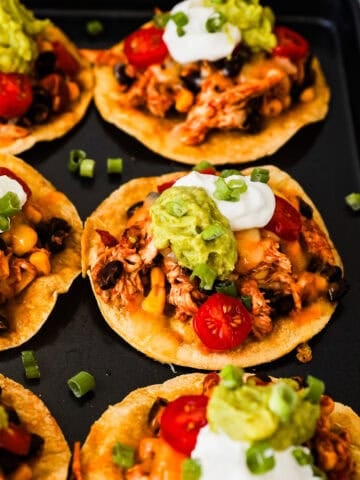
- Easy Rotisserie Chicken Tostadas (25 Mins)25 MinutesApprox. $2.10 per serving
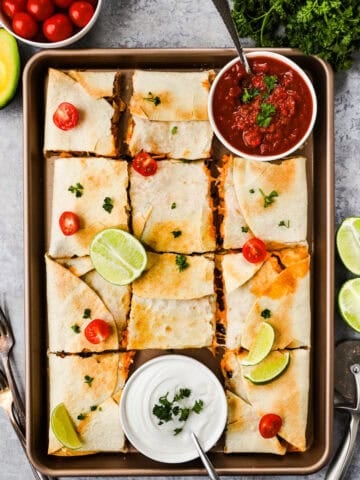
- Sheet Pan Quesadillas30 MinutesApprox. $2.00 per serving
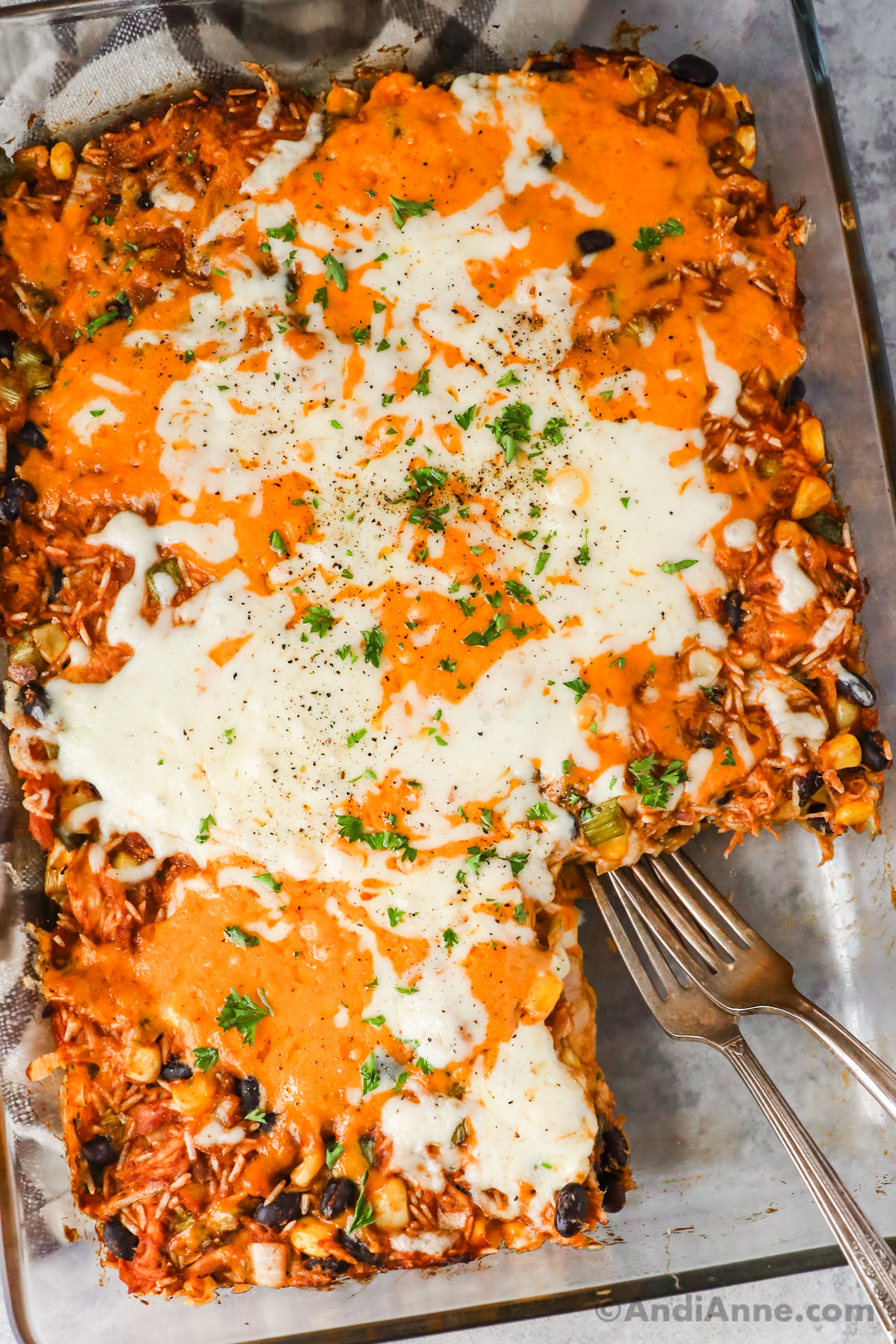
- Barbecue Shredded Chicken Casserole45 MinutesApprox. $2.35 per serving
- Rotisserie Chicken Stir Fry (15-Minute Dinner)15 MinutesApprox. $2.25 per serving
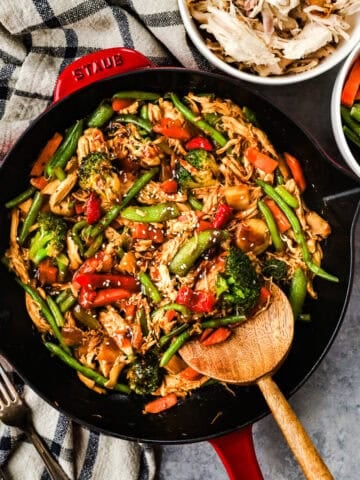
How to Make One Rotisserie Chicken Last 2-3 Meals
A single rotisserie chicken can be one of the smartest grocery purchases you make - if you use it intentionally. Instead of thinking of it as one dinner, think of it as a protein starter for multiple meals.
- Shred it all at once. As soon as you get home, remove all the meat and divide it into containers. This makes it easier to see how much you have and plan separate meals from it.
- Plan at least two dinners before you buy it. For example: tacos or tostadas the first night, then a skillet, soup, or casserole later in the week. When you go in with a plan, you avoid using it all at once.
- Pair it with low-cost fillers. Beans, rice, pasta, tortillas, and frozen vegetables help stretch shredded chicken further. Because the chicken is already cooked and flavorful, you don't need much to build a full meal.
- Use the bones for broth. Simmering the carcass with water and simple vegetables creates homemade chicken broth that can turn into soup or be frozen for future recipes. That's extra value from one purchase.
- Freeze portions if needed. If you won't use it within 3-4 days, freeze shredded chicken in meal-sized amounts. It reheats easily in soups, casseroles, and skillet meals.
I portion shredded chicken into simple good quality airtight containers so I can quickly grab them later in the week.
When used strategically, one rotisserie chicken can drop your cost per serving dramatically while also saving time on busy weeknights.
🍳 Skillet Dinners (One-Pan Budget Meals)
Skillet meals are one of the simplest ways to combine protein, grains, and vegetables into a complete dinner without extra cost. Cooking everything in one pan reduces waste, simplifies cleanup, and makes it easier to control portions and ingredient usage.
These one-pan skillet dinners are filling, practical, and designed to keep grocery costs predictable while still delivering flavor.
- Ground Turkey Quinoa Skillet35 MinutesApprox. $2.60 per serving
- Lemon Chicken Rice Skillet30 MinutesApprox. $2.20 per serving
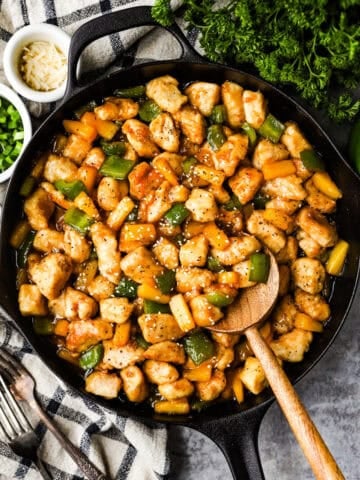
- Honey Garlic Pineapple Chicken30 MinutesApprox. $2.45 per serving
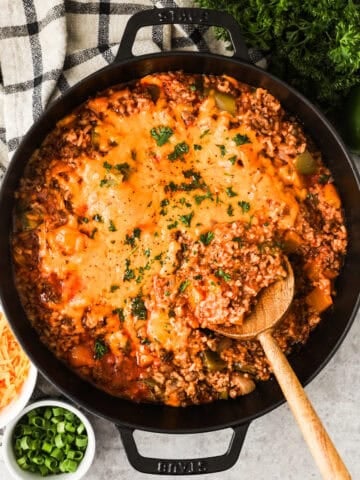
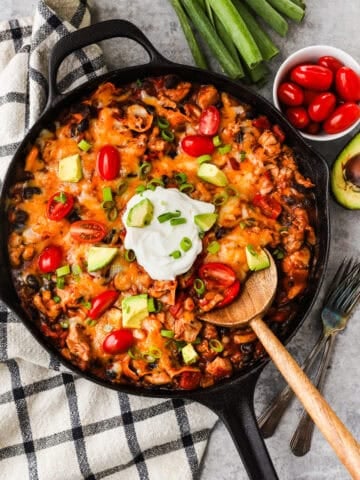
- Unstuffed Bell Pepper Skillet40 MinutesApprox. $2.30 per serving
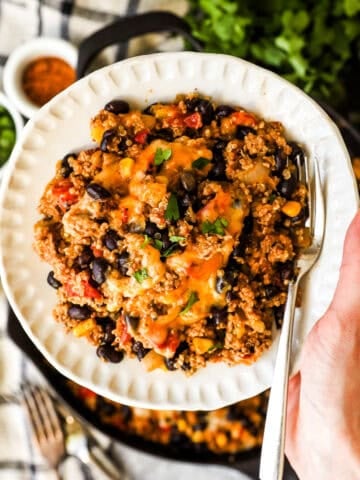

- Cheesy Chicken Taco Skillet25 MinutesApprox. $2.35 per serving
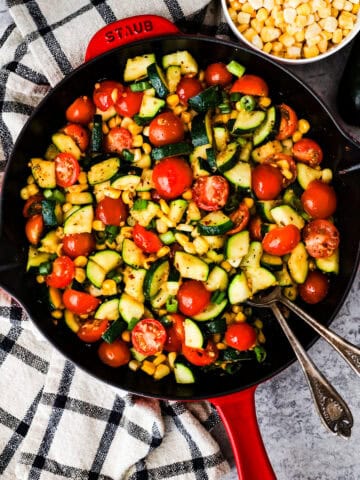
- Zucchini Corn Tomato Skillet23 MinutesApprox. $1.85 per serving
Why One-Pot Meals Are Budget-Friendly and Time-Friendly
One-pot meals are one of the easiest ways to lower both grocery costs and weeknight stress. When protein, grains, and vegetables cook together in a single skillet or pot, you naturally use fewer ingredients and create a complete meal without needing extra side dishes.
- They combine affordable staples in one place. Rice, pasta, beans, and potatoes cook directly with the protein, which stretches servings and keeps cost per plate low.
- They reduce food waste. Because everything cooks together, you're less likely to have half-used ingredients sitting in the fridge. Fewer unused leftovers means fewer wasted grocery dollars.
- They control portions automatically. Cooking in one pan helps balance protein and fillers, making it easier to feed a family of four without doubling the meat portion.
- They save time and cleanup. Fewer dishes means less friction at the end of the night, which reduces the temptation to order takeout the next time you're tired.
I use a 12-inch staub cast iron skillet and a staub cast iron sauté pan for most of my weeknight dinners. Investing in high-quality cookware once means you don't keep replacing cheaper pans over time, which actually supports a long-term budget system.
When dinners are simple, balanced, and cooked in one pot, they're easier to repeat week after week - and that consistency is what keeps your grocery bill steady.
🥘 Slow Cooker Budget Meals
Slow cooker meals are ideal for stretching affordable ingredients into larger portions. Lower-cost cuts of meat become tender over time, and soups or stews naturally create multiple servings that work well for leftovers.
These slow cooker dinners are built for busy days when you want something ready at dinner time without adding stress - and without adding extra grocery expense.
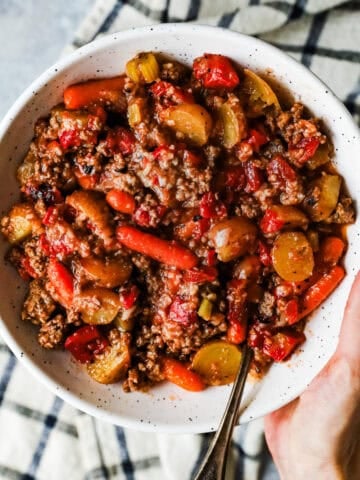
- Crockpot Ground Beef Stew7 Hours 15 MinutesApprox. $2.35 per serving
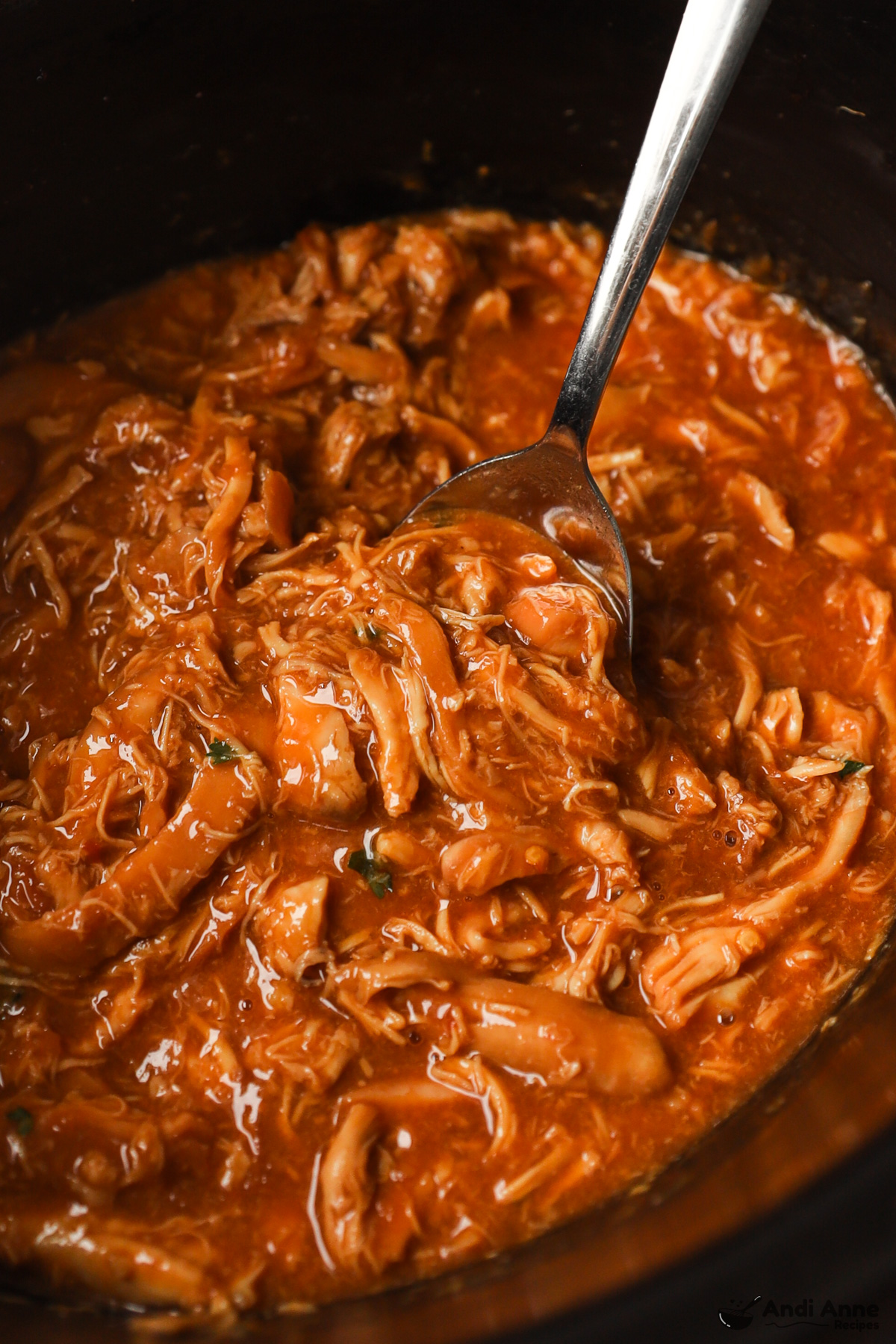
- Slow Cooker Honey Garlic Chicken3 Hours 10 MinutesApprox. $2.25 per serving
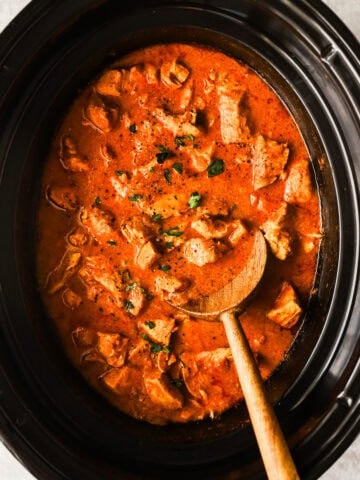
- Slow Cooker Butter Chicken6 Hours 10 MinutesApprox. $2.50 per serving
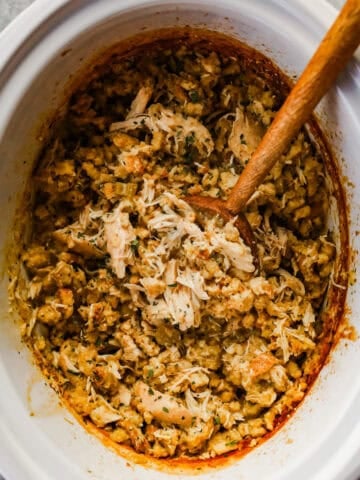
- Slow Cooker Chicken and Stuffing3 Hours 10 MinutesApprox. $2.15 per serving
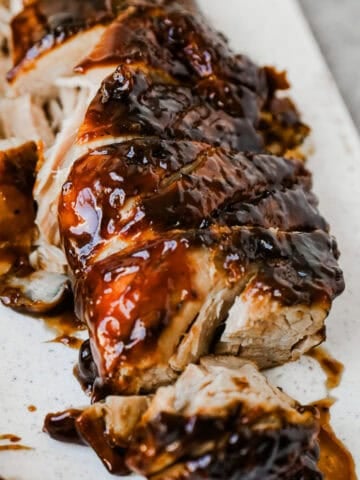
- Crockpot Brown Sugar Pork TenderloinApprox. $2.40 per serving
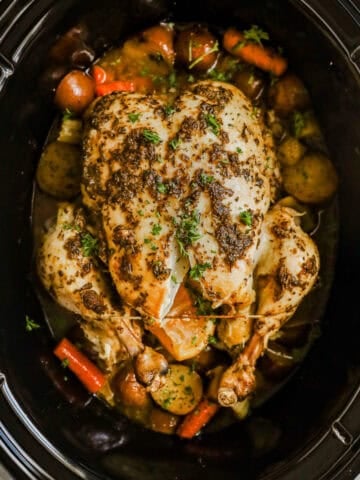
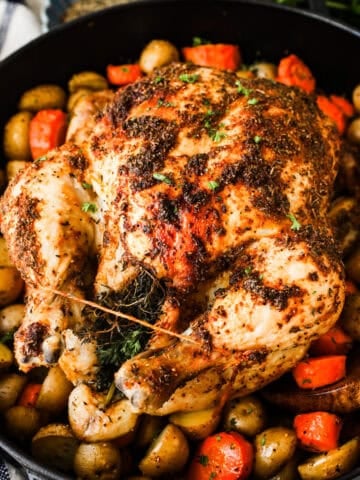
- Slow Cooker Whole Chicken with Vegetables15 MinutesApprox. $2.00 per serving
Why Slow Cooker Meals Are a Budget Superpower
Slow cookers are one of the most budget-friendly kitchen tools you can own because they turn inexpensive ingredients into tender, flavorful meals with minimal hands-on time. Affordable cuts of meat like chuck roast, pork shoulder, chicken thighs, and even whole chickens become falling-apart tender when cooked low and slow, which means you're getting maximum flavor and servings for your grocery dollar.
- Group meals in one batch. A large slow cooker meal often makes enough for dinner and leftovers, which automatically lowers cost per serving and reduces the temptation to order takeout.
- Stretch proteins easily. Beans, lentils, rice, pasta, and vegetables all thrive in slow cooker recipes, helping you combine affordable ingredients into hearty meals.
- Make it effortless. Prep in the morning and come home to dinner that's done - this saves time and mental energy when families are busiest.
If you don't already have one, an affordable slow cooker can pay for itself quickly. I personally use a simple 6-quart slow cooker, which is large enough for family dinners but still very affordable. A good slow cooker helps make these budget dinners even easier to repeat.
⚡ Quick Cheap Dinners (30 Minutes or Less)
One of the fastest ways to protect your grocery budget is to prevent last-minute takeout. That's where semi-homemade, shortcut dinners come in.
Using affordable convenience items like ramen noodles, frozen chicken nuggets, rotisserie chicken, canned beans, or store-bought sauces can still keep dinner under $3 per serving - especially when you bulk them up with rice, vegetables, or pantry staples.
These quick dinner ideas are designed for busy nights when time is short, energy is low, and you just need something filling on the table fast. They rely on smart shortcuts, not complicated prep, so you can stay on budget without starting from scratch.
Having a few of these "emergency meals" in your rotation makes a huge difference in keeping weekly grocery spending steady.
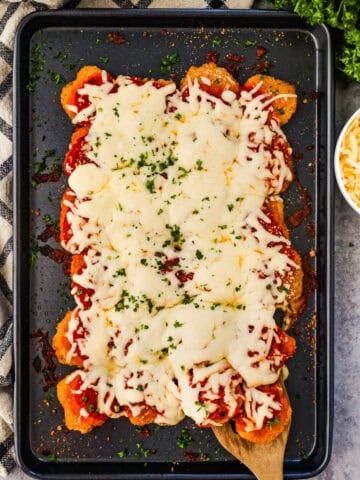
- Easy Chicken Nugget Parmesan Bake25 MinutesApprox. $2.15 per serving
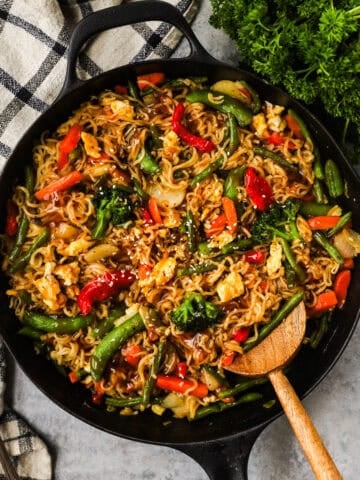
- Easy Teriyaki Ramen Stir Fry15 MinutesApprox. $1.75 per serving
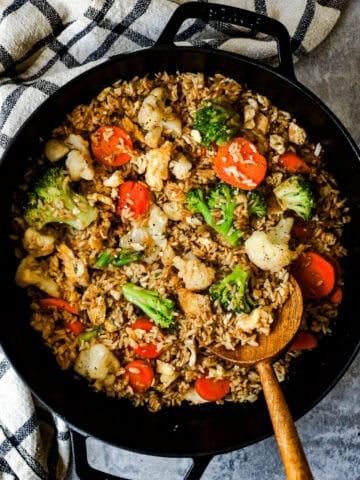
- Leftover Fried Rice, Veggies and Eggs15 MinutesApprox. $1.60 per serving
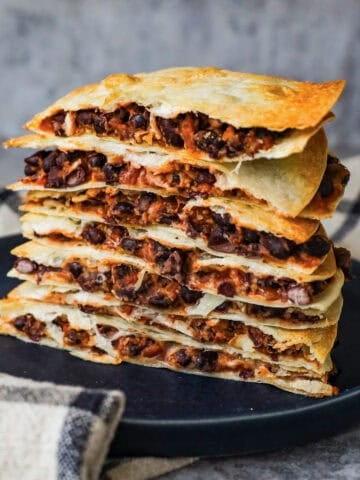
- Crispy Black Bean Quesadillas20 MinutesApprox. $1.70 per serving
How to Stock Smart for Emergency Budget Dinners
Emergency meals only work if you plan for them before you need them. Keeping a few affordable convenience items on hand can prevent expensive last-minute takeout.
- Keep 3 "backup proteins" in your freezer. Frozen chicken nuggets, frozen meatballs, ground chicken, or pre-cooked shredded chicken can turn into a full dinner with rice, pasta, or tortillas.
- Stock low-cost base ingredients. Ramen noodles, pasta, rice, canned beans, tortillas, and jarred sauce are inexpensive and combine easily with whatever protein you have. A small rice cooker is another budget-friendly tool that helps turn inexpensive staples into fast dinners.
- Add one fresh element. A bag of frozen vegetables or a simple side salad makes semi-homemade meals feel more complete without adding much cost.
- Upgrade instead of ordering out. Turning frozen nuggets into a quick parmesan bake or ramen into a vegetable stir fry keeps dinner under control while still feeling satisfying.
- Set a 30-minute rule. If dinner can be made in 30 minutes using what you already have, it protects both your time and your grocery budget.
Having these "budget buffer" meals ready is one of the simplest ways to keep weekly spending predictable.
🌱 Why Adding One Meatless Night Lowers Your Grocery Bill
You don't have to go fully vegetarian to see savings at the grocery store. Simply adding one or two meatless dinners per week can noticeably reduce your total cost per serving.
Beans, lentils, rice, pasta, eggs, potatoes, and frozen vegetables are some of the most affordable pantry staples available - and when combined properly, they create filling, family-friendly dinners that don't feel like a sacrifice.
Meatless meals are often the quiet hero of a steady grocery budget.
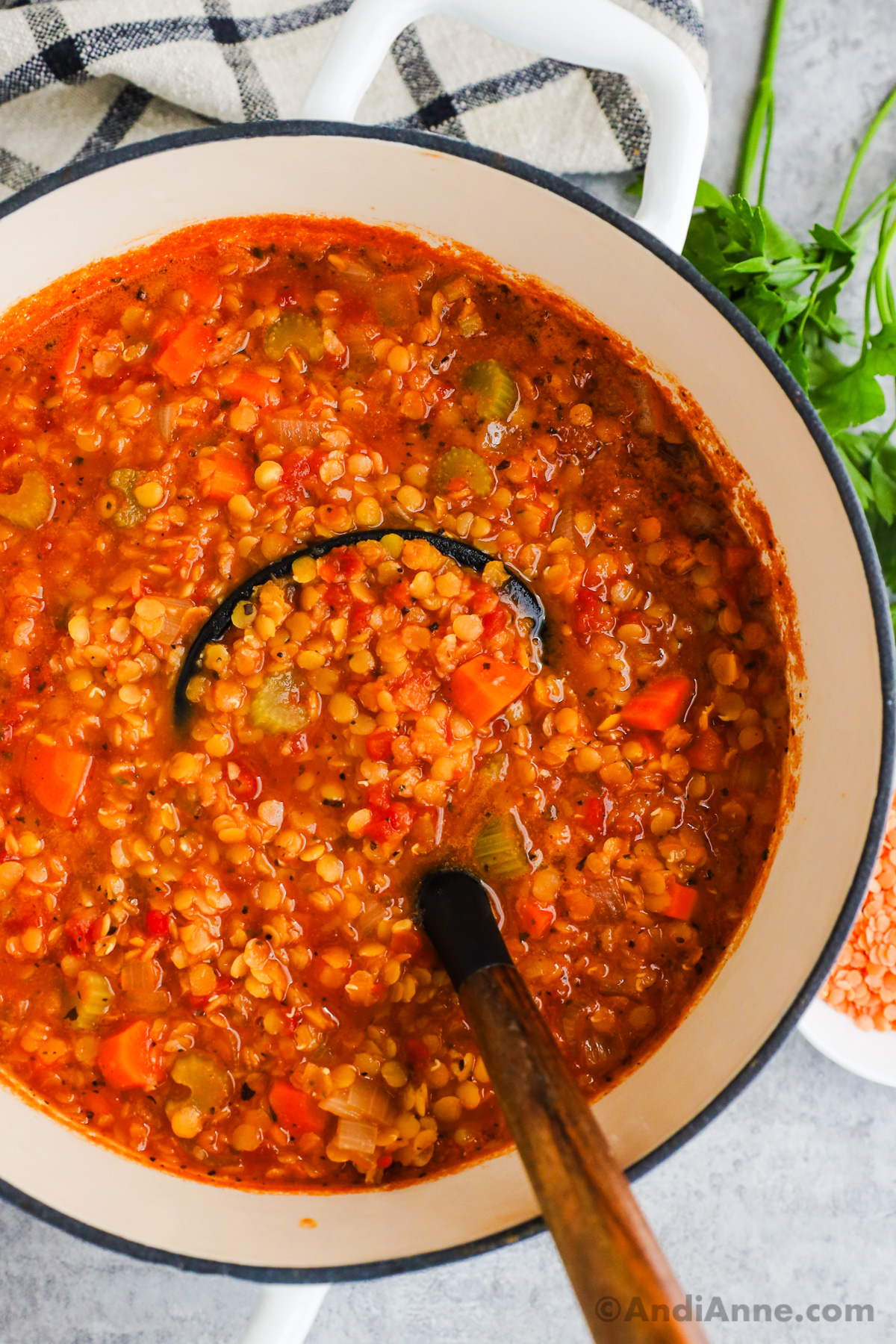
- Lentil Soup25 MinutesApprox. $1.40 per serving
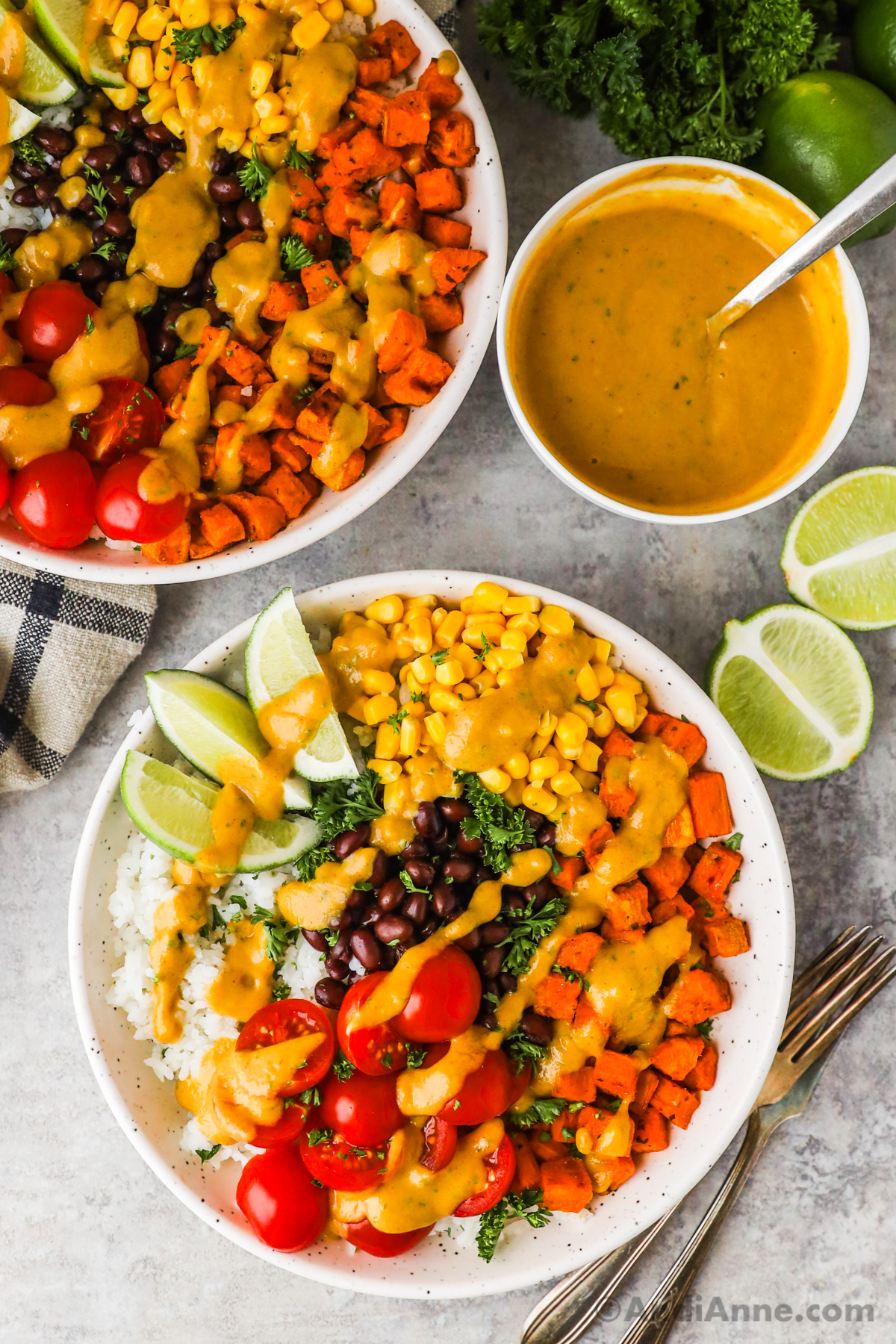
- Sweet Potato Taco Bowl1 Hours 20 MinutesApprox. $1.95 per serving
- Creamy Lemon Pasta20 MinutesApprox. $1.60 per serving
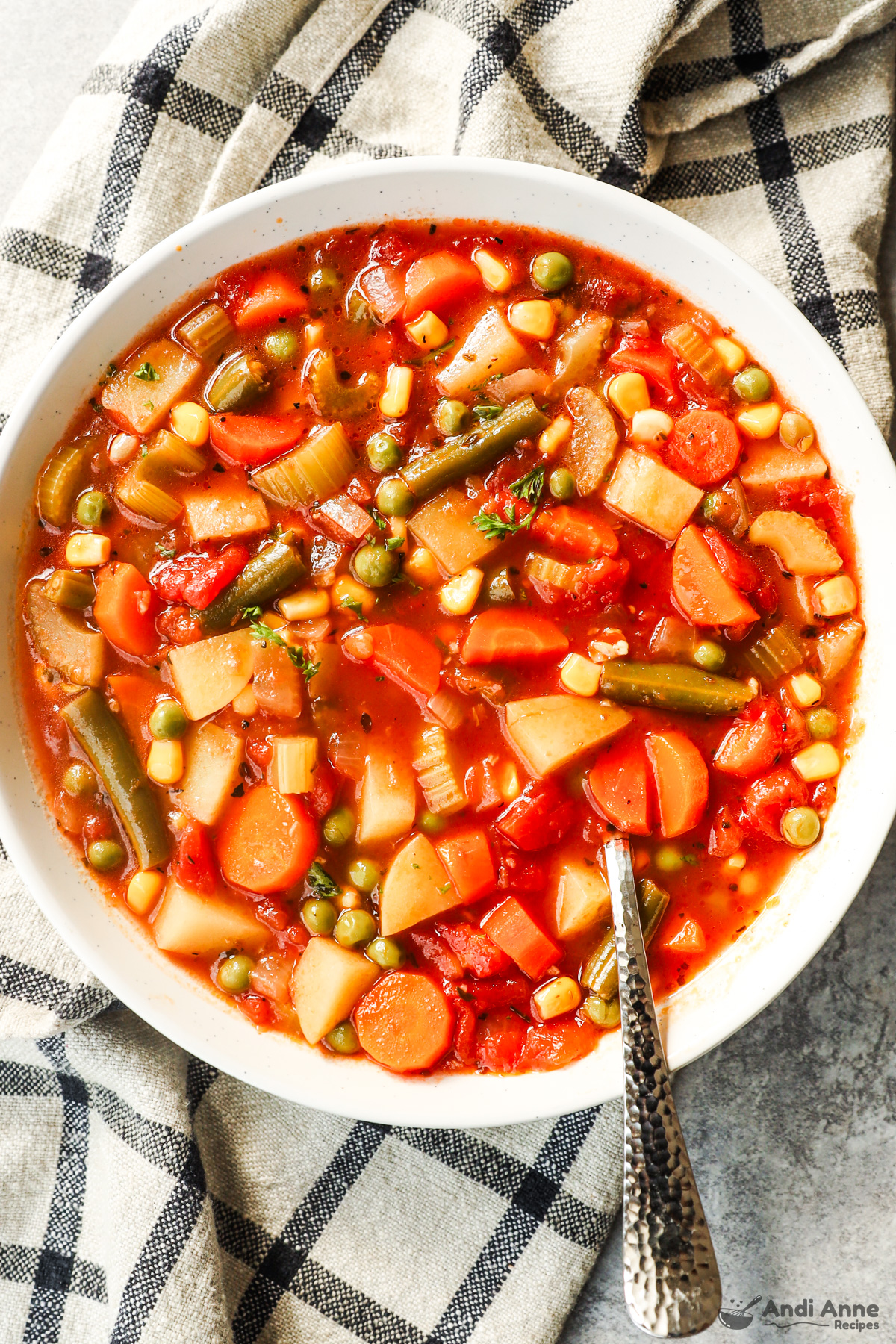
- Vegetable Soup30 MinutesApprox. $1.35 per serving

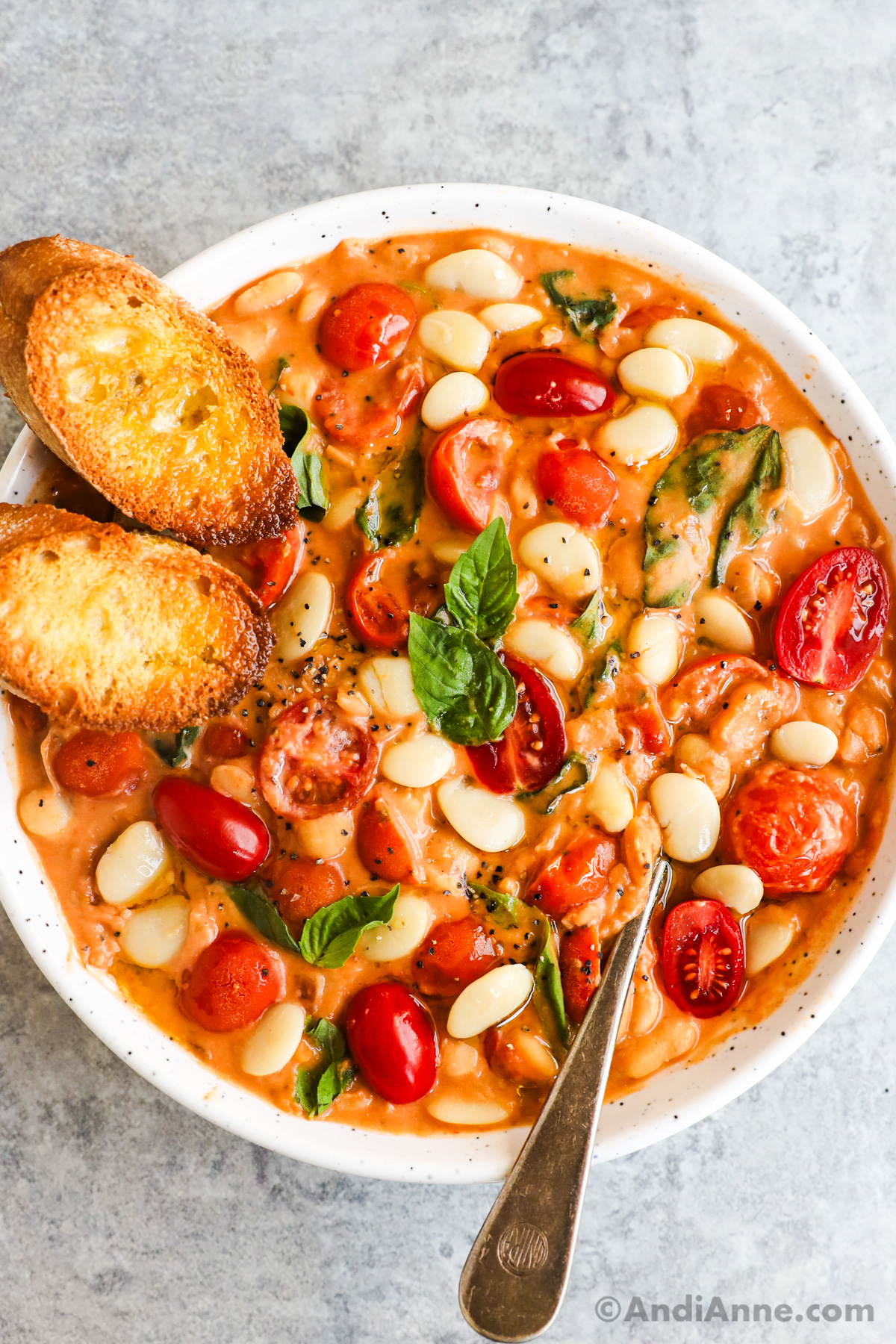
- Tomato and Basil Butter Beans12 MinutesApprox. $1.50 per serving
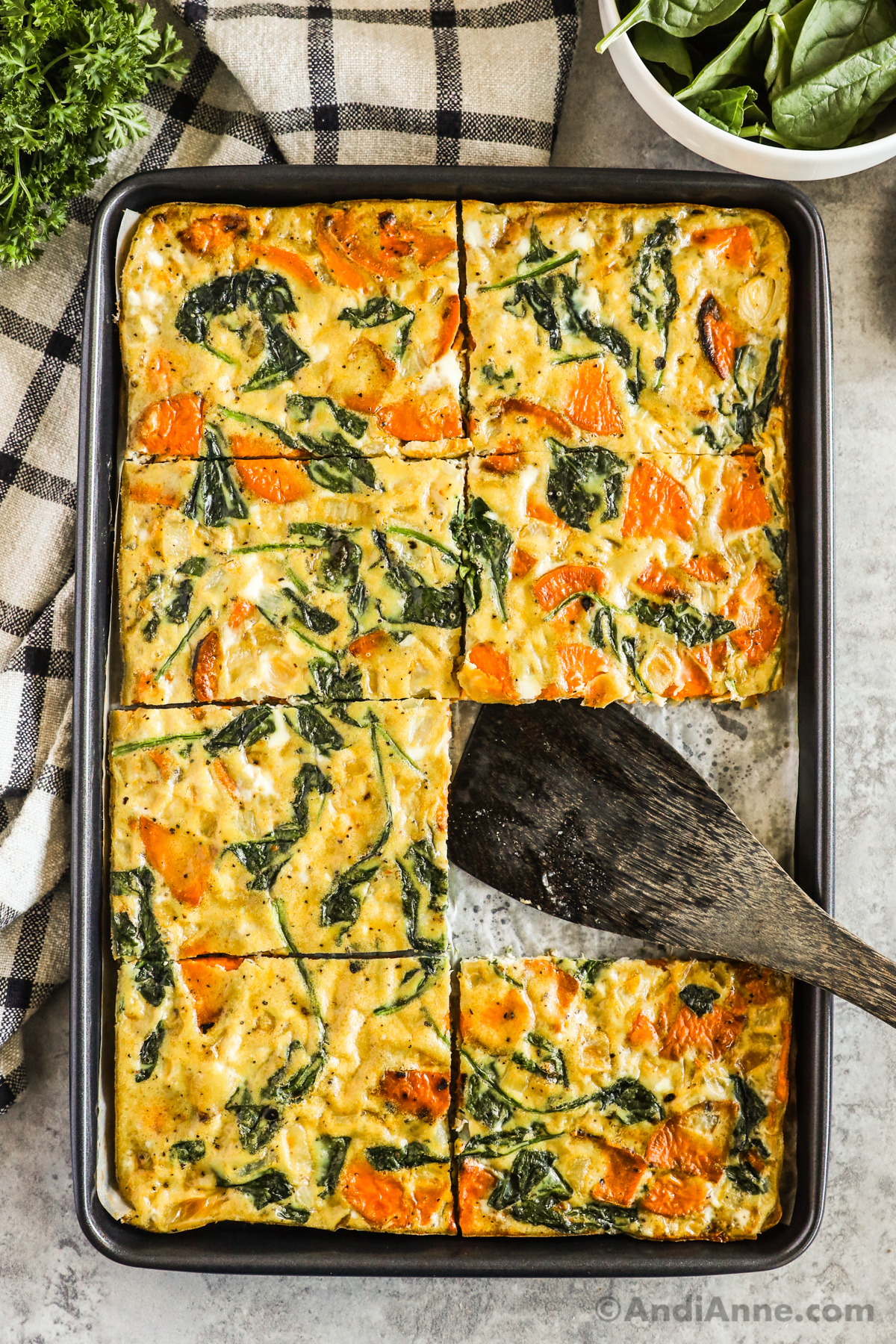
- Sheet Pan Sweet Potato Spinach Omelet17 MinutesApprox. $1.75 per serving
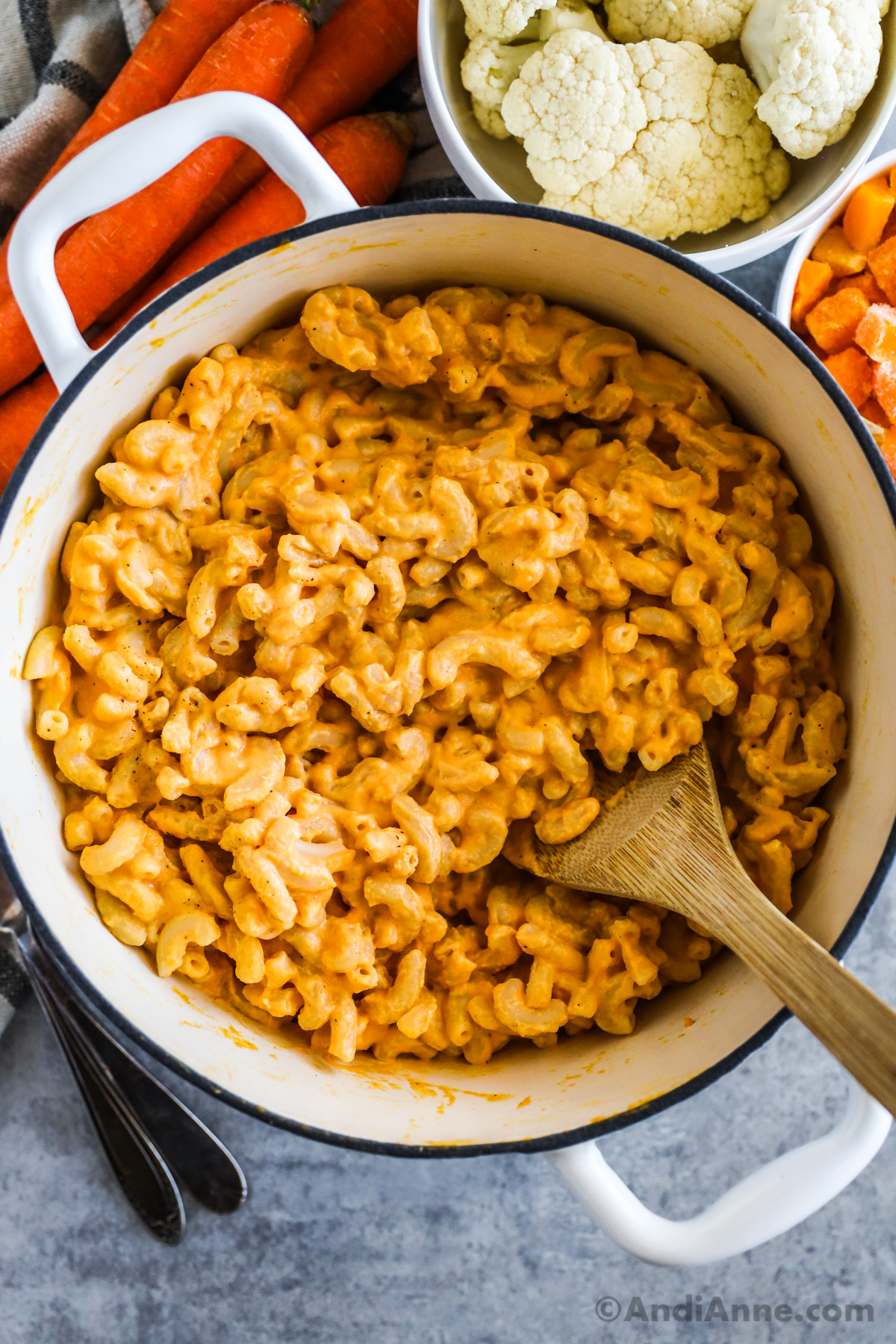
- Hidden Veggie Macaroni and Cheese25 MinutesApprox. $1.95 per serving
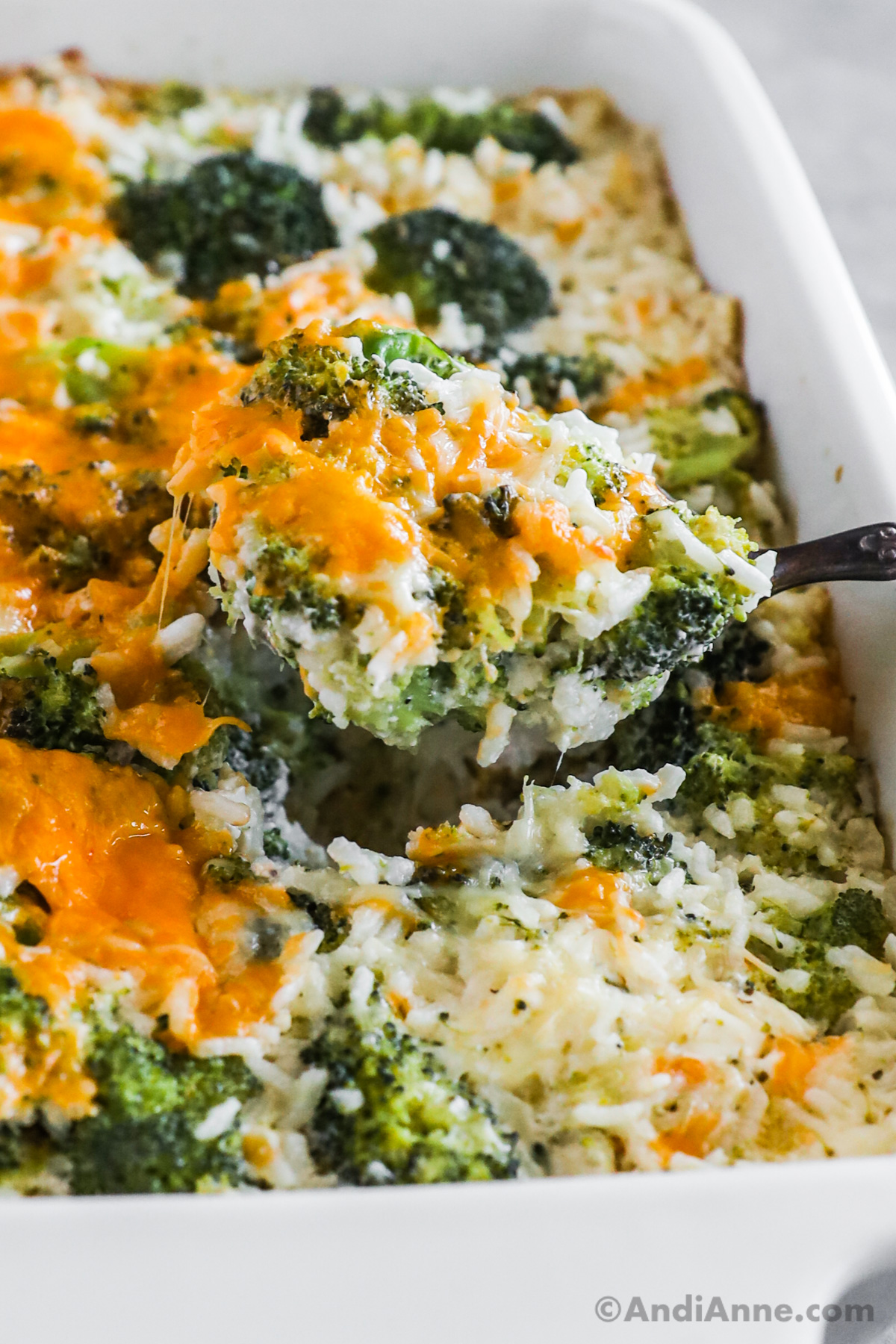
- Cheesy Broccoli Rice Casserole50 MinutesApprox. $1.80 per serving
How to Make Meatless Dinners Filling and Budget-Friendly
The key to successful meatless meals is building them intentionally so they feel satisfying, not like something is missing.
- Combine protein-rich pantry staples. Lentils, black beans, chickpeas, eggs, and even peanut butter add staying power without increasing cost.
- Use grains as the base. Rice, pasta, quinoa, and potatoes create structure and make meals feel complete.
- Add flavor strategically. Garlic, onions, canned tomatoes, broth, and simple seasoning blends keep inexpensive ingredients from tasting bland.
- Lean on casseroles and soups. These naturally stretch ingredients and create multiple servings for leftovers.
- Rotate them consistently. Even one meatless night per week can lower your overall grocery spending over time without dramatically changing how your family eats.
When built the right way, meatless dinners aren't about cutting back - they're about cooking smarter.
🗓 Sample 5-Day Budget Dinner Plan (Under $3 Per Serving)
If you're not sure how to put these ideas together, here's an example of how one week could look using simple, repeatable ingredients.
Monday: Ground Beef Stroganoff - Serve with a side of frozen green beans.
Tuesday: Rotisserie Chicken Tostadas - Use leftover chicken for multiple servings.
Wednesday: Lentil Soup - Budget-friendly, filling, and perfect for leftovers.
Thursday: Lemon Chicken Rice Skillet - One pan, minimal cleanup.
Friday: Leftover Fried Rice with Eggs and Vegetables - Use whatever is left in the fridge.
Notice how proteins repeat, grains overlap, and leftovers are intentional. That's what keeps grocery spending steady without overthinking every meal.
Common Grocery Habits That Quietly Raise Your Weekly Bill
Sometimes it's not the recipes - it's the habits.
- Buying single-serve proteins. Individually wrapped cuts cost more per pound than family packs or whole cuts.
- Not planning leftover use. If extra servings aren't assigned a purpose, they often get forgotten.
- Shopping without a dinner outline. Even a simple 5-meal plan reduces impulse purchases.
- Overcomplicating weeknight dinners. More specialty ingredients usually mean higher cost and more waste.
Small adjustments here often make a bigger difference than cutting out entire food groups.
Frequently Asked Questions About Cheap Family Dinners
Here are quick answers to common grocery budgeting questions families ask.
Focus on affordable staples like rice, pasta, beans, potatoes, and frozen vegetables. Pair them with stretchable proteins like ground beef, chicken thighs, rotisserie chicken, or lentils. Planning even five dinners ahead of time prevents last-minute spending.
Ground beef, bone-in chicken thighs, whole chickens, dry beans, lentils, eggs, and ground chicken are often the most affordable per serving. Choosing cuts that require a little prep yourself can lower the price even more.
Often, yes. Frozen vegetables reduce waste because they last longer and can be portioned easily. They're especially helpful for one-pot meals and skillet dinners.
Start by planning five dinners before shopping. Repeat proteins across meals, cook once and use leftovers intentionally, and keep a short list of 30-minute emergency dinners to avoid takeout.
Absolutely. Combining protein with grains and vegetables creates balanced, satisfying meals without increasing cost per serving. The key is portion balance and using pantry staples strategically.
Cost per serving is based on average U.S. grocery pricing and divided by total servings in each recipe. Pantry staples like oil and spices are assumed to be on hand.
Build Your Own Under-$3 Dinner Plan
Want to lower your grocery bill even faster? Start by choosing 2 ground beef dinners, 2 chicken dinners, and 1 meatless dinner from this list and repeat that structure weekly. Repetition is what keeps costs predictable.
If you're building a weekly dinner rotation, saving recipes like these cheap family dinners makes it easier to plan meals that stay under budget while still feeding everyone well.
Final Thoughts: Budget Cooking Is About Systems, Not Sacrifice
Budget cooking isn't about restriction, it's about repeatable systems. When you build dinners around affordable staples, stretchable proteins, and intentional leftovers, your grocery spending becomes steady instead of stressful. And that consistency is what makes family dinners feel easier long term.
Whether you start with ground beef, chicken, one-pot meals, or a simple meatless night, the goal is consistency. When dinner feels predictable and manageable, your grocery spending becomes predictable too.
And that's what makes weeknights calmer.


Leave a Reply